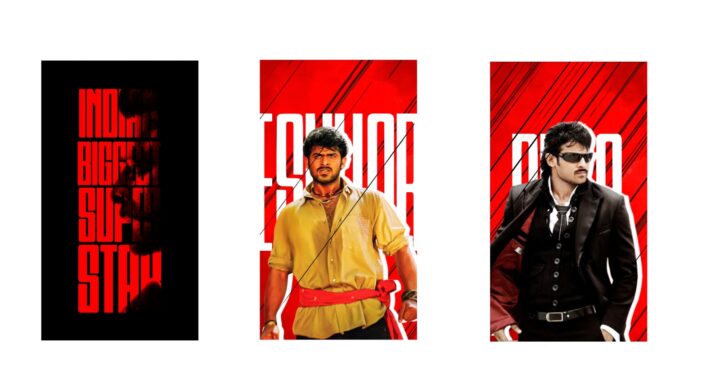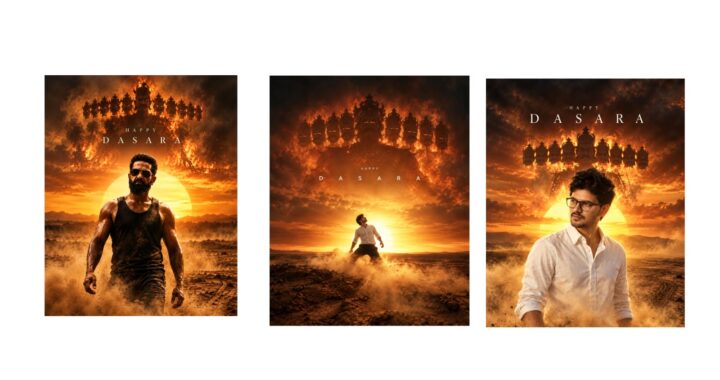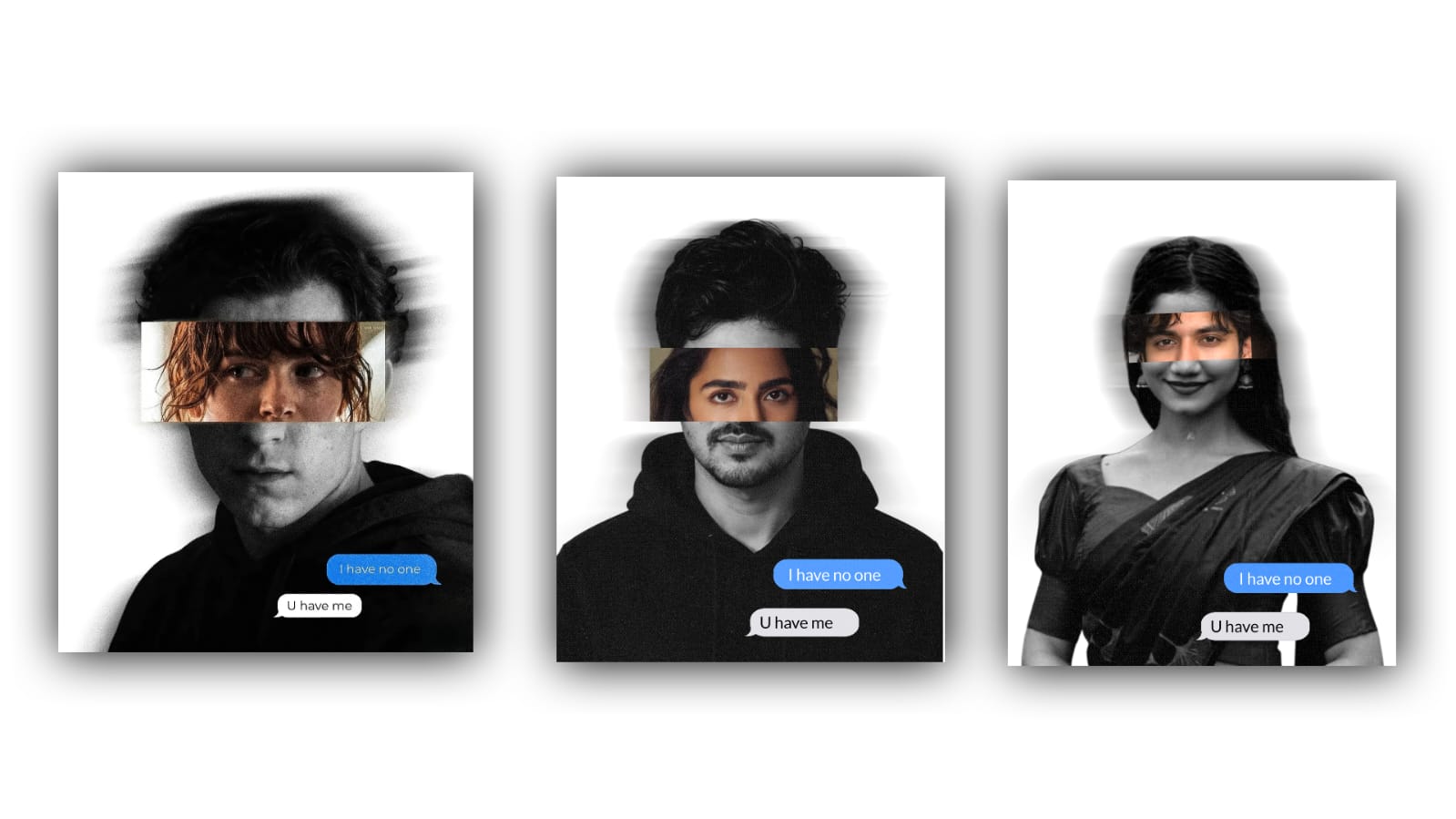
Every professional editor understands that preserving the original files is one of the most important principles of creative work. Whether editing photos for a client, producing YouTube videos, designing marketing materials, or creating social media content, protecting the original media ensures maximum flexibility throughout the editing process. This approach is known as non-destructive editing, a workflow that allows creators to make unlimited adjustments without permanently changing the original image or video. Understanding this method helps beginners avoid common mistakes while improving both productivity and project quality.
Non-destructive editing means that every adjustment remains editable even after it has been applied. Instead of permanently altering brightness, colors, contrast, or cropping, editing software records these changes as instructions. The original file remains untouched, allowing editors to modify or remove adjustments at any time. This flexibility becomes especially valuable when clients request revisions or when creative ideas change during production.
One of the biggest advantages of non-destructive editing is the ability to experiment freely. Editors can test different color grading styles, lighting adjustments, filters, and visual effects without worrying about damaging the original content. If an edit does not produce the desired result, it can simply be removed or adjusted while the source file remains exactly as it was imported.
Layers play a major role in non-destructive editing. Instead of placing text, graphics, logos, or effects directly onto the original media, each element is added on its own layer. Because every layer remains independent, editors can reposition, resize, hide, or delete individual elements without affecting the rest of the project. This organized workflow simplifies complex designs and makes future revisions much easier.
Adjustment layers provide another powerful advantage. Rather than applying color correction separately to every clip or photograph, editors can place an adjustment layer above multiple files. Any changes made to the adjustment layer automatically affect all underlying media. If additional corrections become necessary, only one adjustment needs to be modified instead of repeating the same edits multiple times.
Masking is another important non-destructive technique. Masks allow editors to apply adjustments only to selected areas without permanently removing pixels. For example, an editor can brighten a person’s face while leaving the background unchanged or darken the sky without affecting nearby buildings. Since masks remain editable, selections can be refined whenever necessary.
Smart objects also improve editing flexibility. Instead of permanently resizing, rotating, or transforming an image, smart objects preserve the original resolution. Editors can enlarge or reduce elements repeatedly without significant quality loss. This feature is particularly valuable when designing posters, advertisements, website graphics, and product images that require multiple revisions.
Version management becomes much easier with non-destructive editing. Different creative styles can be saved as separate project versions while sharing the same original files. One version may feature bright, colorful tones for social media, while another uses cinematic color grading for promotional videos. Maintaining multiple versions allows editors to compare creative directions without duplicating large media files.
Collaboration is another area where non-destructive editing proves valuable. Teams working on the same project often require multiple rounds of revisions. Since every edit remains adjustable, designers, editors, and clients can request changes without forcing the project to start from the beginning. This flexibility improves communication while reducing production time.
Modern editing software also includes AI-powered non-destructive features. Automatic background removal, object selection, portrait enhancement, and color correction are typically applied as editable adjustments rather than permanent modifications. Editors can fine-tune AI-generated results or disable them entirely whenever needed, ensuring complete creative control.
Backup security is another benefit of preserving original media. If project files become corrupted or creative decisions change months later, the untouched originals remain available for future editing. This protects valuable content from accidental loss while extending the long-term usefulness of every photograph and video.
Professional photographers and videographers frequently revisit older projects to create updated versions for new campaigns, websites, or social media platforms. Because the original files remain unchanged, they can apply modern editing techniques without losing image quality. This ability saves both time and storage space while maintaining maximum creative flexibility.
Non-destructive editing also supports better learning. Beginners often experiment with different settings while developing their skills. Since every adjustment can be modified or removed, users gain confidence by exploring new techniques without fear of permanently damaging important files. This encourages creativity and accelerates the learning process.
As editing technology continues to evolve, non-destructive workflows have become the industry standard for professional content creation. They provide flexibility, improve collaboration, simplify revisions, and protect valuable media throughout every stage of production. Whether editing photos, videos, marketing materials, or digital artwork, adopting a non-destructive workflow allows creators to work more confidently while preserving the highest possible quality. Mastering this editing approach not only improves efficiency but also ensures that every creative project remains adaptable for future improvements, making it an essential skill for anyone serious about professional editing.
Photo project
XML file