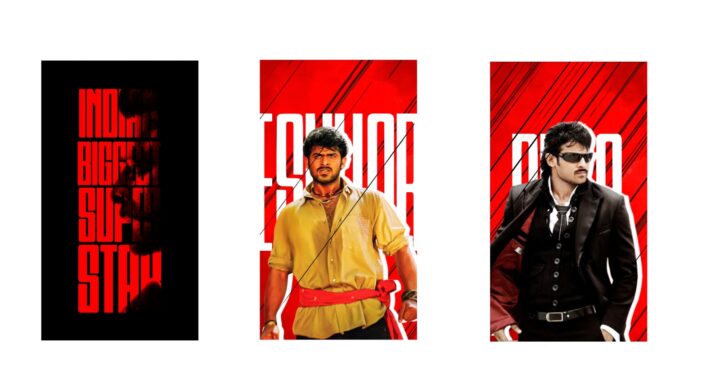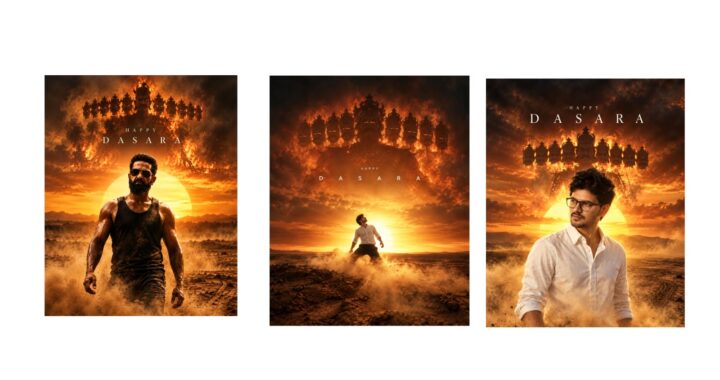
Video editing has become an essential skill for content creators, students, businesses, and social media users. Smartphones can now record high-quality videos, but raw footage often needs some editing before it is ready to share. Cutting unnecessary sections, improving audio, adjusting colors, adding text, and arranging clips properly can turn simple recordings into engaging videos.
The good news is that beginners do not need expensive equipment or years of experience to start editing. Modern mobile and desktop editing applications provide many useful tools that make the process easier. Understanding a few basic techniques is enough to create clean and professional-looking videos.
Organize Your Footage First
Before starting the actual editing process, organize all recorded clips. Watch the footage and identify the sections that are useful, unnecessary, or damaged.
If a project contains many clips, rename them or arrange them into folders. For example, separate videos can be grouped into categories such as introduction, main footage, background shots, and ending clips.
This simple preparation can save considerable time later. It also makes it easier to find specific footage when building the final timeline.
Create a Simple Timeline
The timeline is the main workspace where video clips are arranged. Beginners should start by placing the most important clips in the correct order.
Do not worry about advanced transitions or effects at the beginning. First create a basic version of the video from start to finish. Watch it several times and identify sections that feel too long, repetitive, or unnecessary.
A strong video usually keeps moving toward a clear purpose. Removing unnecessary pauses and repeated information can make the final result much more enjoyable to watch.
Cut Unnecessary Parts
Cutting is one of the most important video editing skills. Long pauses, mistakes, accidental recordings, repeated sentences, and irrelevant sections can reduce the quality of a video.
Use the split or trim tool to remove these portions. When making cuts, pay attention to the beginning and ending of sentences so that the transition feels natural.
For talking videos, small cuts can significantly improve pacing. For travel or lifestyle videos, short clips can be arranged together to create a smooth visual story.
Improve the Audio
Good audio is just as important as good video. Viewers may tolerate average picture quality, but poor sound can make a video difficult to watch.
Start by checking the volume of dialogue. If background music is included, keep it lower than the voice. This ensures that the speaker remains clear.
Noise reduction can also be useful when recordings contain fans, traffic, wind, or other unwanted sounds. However, excessive noise reduction can make voices sound unnatural.
If possible, use headphones while adjusting audio. They can help reveal background noise and volume differences that may not be obvious through a phone speaker.
Add Background Music Carefully
Background music can influence the mood of a video. Energetic music can work well for action or travel footage, while softer music may suit emotional or informative content.
The music should support the video rather than overpower it. Lower the volume whenever someone is speaking and consider reducing it further during important moments.
Always use music that you have permission to use. Copyright restrictions can cause problems when publishing videos online.
Use Text and Titles
Text can help viewers understand important information. Titles can introduce a topic, while short captions can highlight key points.
Keep text simple and readable. Choose a clear font and ensure that the text contrasts with the background. Avoid placing large amounts of information on screen at once.
Animations can make titles more interesting, but they should remain smooth and short. Too many moving elements can distract viewers from the main content.
Apply Color Adjustments
Raw footage may sometimes appear too dark, too bright, or slightly different in color between clips. Basic color correction can make the video look more consistent.
Start with brightness and exposure. Then adjust contrast, highlights, and shadows if necessary. White balance can help correct footage that appears too warm or too cool.
After correcting the footage, you can apply a creative color style. Keep the changes consistent across the entire project so that different clips do not look completely unrelated.
Use Transitions Sparingly
Transitions can connect two clips smoothly, but they are not necessary between every shot. Simple cuts often look more professional than excessive visual effects.
A fade or dissolve may work well when changing scenes or moving between different sections of a video. More dramatic transitions can be reserved for specific creative moments.
The transition should have a purpose. If viewers notice the transition more than the content, it may be too strong.
Choose the Correct Video Format
Before exporting, consider where the video will be published. Vertical videos are suitable for many short-form platforms, while horizontal formats are commonly used for traditional video content.
Select the appropriate resolution and frame rate based on the original footage and publishing platform. Avoid unnecessarily increasing the resolution beyond what the source footage can provide.
Watch the exported file completely before publishing it. Check the audio, cuts, text, and image quality to make sure everything works correctly.
Keep Practicing
Video editing becomes easier with practice. Start with short projects instead of attempting a complicated production immediately. Each project can teach you something new about timing, sound, composition, and storytelling.
Try recreating different editing styles and experiment with pacing. Over time, you will develop your own workflow and learn which techniques work best for your content.
Conclusion
Good video editing is not about using the largest number of effects. It is about selecting the right footage, creating a smooth sequence, improving audio, correcting colors, and keeping viewers interested.
Beginners can start with simple cuts and gradually learn advanced techniques such as color grading, motion graphics, audio mixing, and visual effects. With consistent practice and careful attention to detail, even footage recorded on a smartphone can be transformed into a polished and engaging video.
Full Project (template)
Download
XML file
Song link