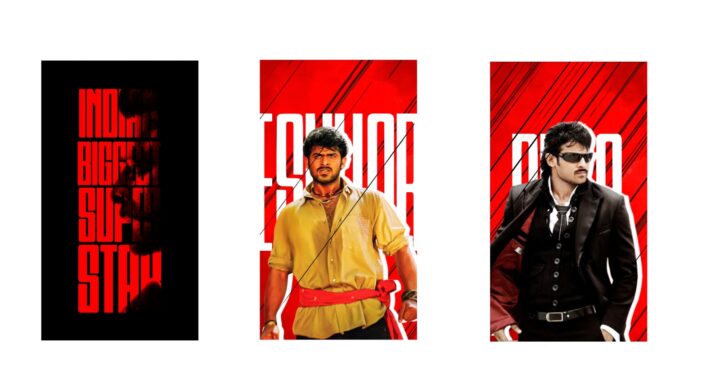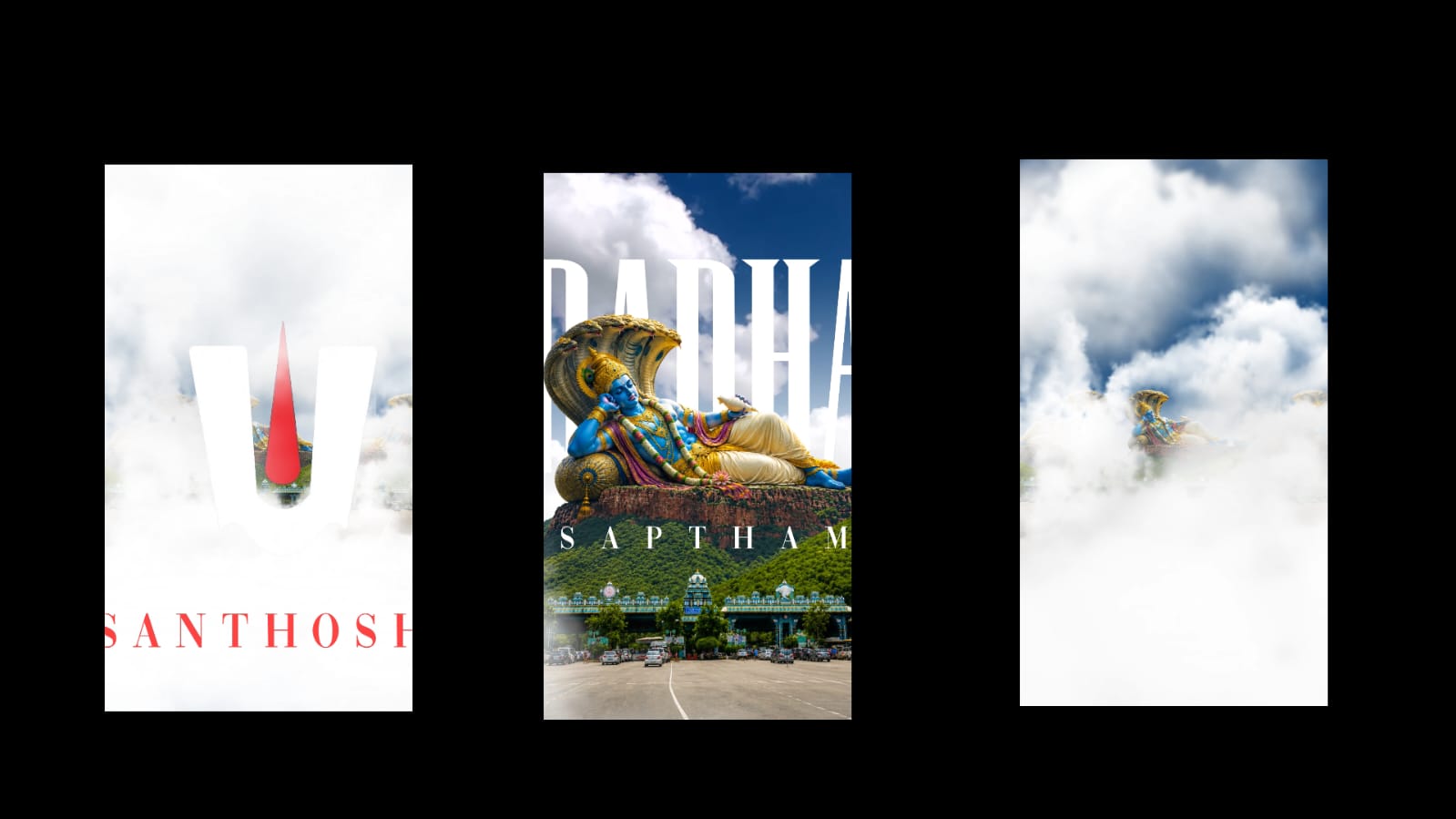
Photo editing is more than correcting brightness or adding a filter. It is a creative process that can change the mood, improve composition, highlight important details, and give an ordinary photograph a distinctive appearance. Whether you edit portraits, landscapes, lifestyle photos, or social media images, learning a few creative techniques can help your work stand out.
The most effective edits usually begin with a clear idea. Instead of adding effects randomly, think about what you want viewers to notice and how you want the final image to feel.
Create a Strong Focal Point
Every good photograph should give viewers a clear place to look first. In portraits, the face is usually the focal point. In landscapes, it might be a mountain, building, road, tree, or sunset.
Editing can strengthen this focal point through selective brightness, contrast, sharpness, or color adjustments. For example, slightly brightening the main subject while reducing background brightness can naturally direct attention.
These changes do not need to be dramatic. Small differences between the subject and surrounding areas can create effective visual separation.
Experiment With Warm and Cool Tones
Color temperature can completely change the mood of an image. Warm tones containing more yellow and orange can create a comfortable, energetic, or nostalgic feeling. Cooler blue tones may give photographs a calm, modern, or dramatic appearance.
You can also combine temperatures within the same photograph. Slightly warmer highlights with cooler shadows can create interesting color separation.
Keep the original lighting in mind when experimenting. Color choices that complement the scene generally look more natural than effects that work against it.
Create a Soft Cinematic Look
A cinematic edit often combines controlled contrast, carefully adjusted colors, and softer highlights. Instead of maximizing saturation, try reducing certain colors and giving the image a more balanced tonal appearance.
Shadows can be deepened slightly while preserving enough detail to avoid completely black areas. Highlights can be softened to prevent bright parts from becoming distracting.
Wide crops can also create a cinematic feeling in certain photographs, particularly landscapes, street scenes, vehicles, and environmental portraits.
The effect should support the photograph rather than simply imitate a preset.
Use Selective Color for Creative Impact
Selective color editing allows you to emphasize particular colors while reducing others. This can be useful when the subject contains an important color that should stand out.
For example, a photograph featuring colorful clothing can be edited so the clothing remains vibrant while the background becomes slightly muted.
Nature photographs can also benefit from selective adjustments. Greens, blues, yellows, and other tones can be controlled individually to create a cleaner palette.
Avoid removing too much color unless a highly stylized result is intended. Maintaining some variation helps preserve depth and realism.
Add Depth With Light and Shadow
Flat lighting can make subjects blend into their surroundings. Local adjustments can create additional depth by controlling specific areas.
Brighten areas where natural light would logically fall and deepen selected shadows to create separation. In portraits, subtle brightness around the face can guide attention, while darker outer areas can reduce background distractions.
When adding or modifying light, consider its direction. New highlights and shadows should make sense relative to the visible light sources in the photograph.
Realistic lighting often makes even creative edits feel believable.
Try Reflections Creatively
Reflections can add visual interest to certain photographs. Water, glass, mirrors, polished surfaces, and wet streets naturally provide opportunities for reflection effects.
When enhancing an existing reflection, keep it slightly less detailed or less bright than the main subject when appropriate. This can help maintain visual hierarchy.
Artificial reflections require careful positioning and perspective. They should match the angle, lighting, and surrounding environment.
A subtle reflection can add depth, while an overly perfect one may appear artificial.
Create a Dreamy Effect
Soft, dreamy edits can work well for portraits, nature photography, celebrations, and lifestyle images. The effect can be created through softer contrast, gentle highlights, controlled glow, and slightly muted colors.
Preserve sharpness around important details such as the eyes or primary subject. If the entire photograph becomes soft, viewers may interpret it as poor focus rather than an intentional creative choice.
A gentle glow around natural light sources can strengthen the atmosphere without reducing clarity throughout the image.
Improve Background Atmosphere
Background editing does not always require replacing the entire scene. Small adjustments can significantly change how the environment feels.
Reducing background saturation can make a colorful subject stand out. Darkening selected areas can create a dramatic mood, while adding warmth may make an outdoor setting feel more inviting.
Background elements can also be softened slightly to create separation, but preserve realistic depth. Objects at different distances should not necessarily have identical levels of blur.
Use Texture With Purpose
Textures can add character to creative photographs. Subtle grain, paper-like effects, light patterns, or atmospheric overlays can produce unique visual styles.
Texture should complement the subject. A vintage-inspired photograph may benefit from gentle grain, while a clean product photograph may look better without additional texture.
Keep effects subtle enough that important details remain visible. When texture becomes the strongest element in the image, it can distract from the original photograph.
Maintain Consistency in a Photo Series
Creative editing becomes especially effective when several photographs share a consistent visual style.
A series might use similar warmth, shadow depth, contrast, saturation, or background treatment. This approach can make galleries, portfolios, blog images, and social media collections feel more connected.
Presets can help maintain consistency, but individual photos should still be adjusted according to their lighting and subject.
Know When the Edit Is Finished
One of the most valuable editing skills is knowing when to stop. After working on a photograph for a long time, it can become tempting to continue adding effects.
Compare the edited version with the original and ask whether each major change improves the image. Check colors, lighting, sharpness, background details, and overall balance.
Viewing the photograph at normal size is important because an edit that looks impressive while zoomed in may feel excessive when viewed as a complete image.
Creative photo editing provides endless opportunities to develop unique visual styles. Color adjustments, selective lighting, cinematic tones, reflections, soft effects, textures, and background improvements can all transform the appearance of a photograph.
The strongest results come from combining creativity with restraint. Give each adjustment a purpose, preserve important details, and make sure different effects work together rather than compete for attention.
With regular experimentation and careful observation, photo editing can become a powerful way to turn simple photographs into memorable visuals while developing a recognizable creative style.
Font Link
Full Project
XML file
Song link