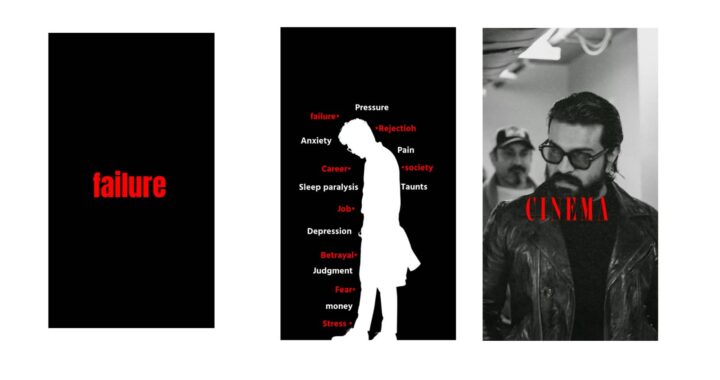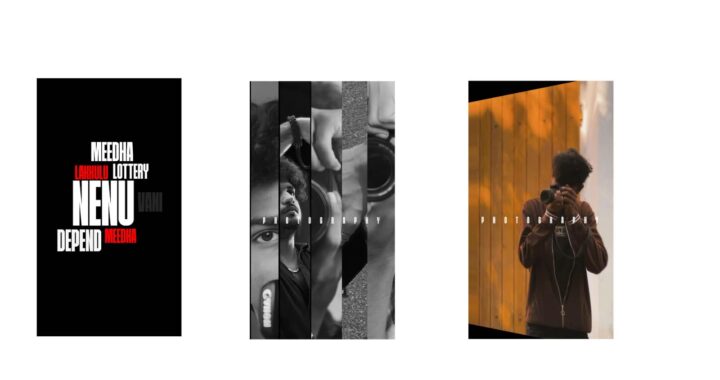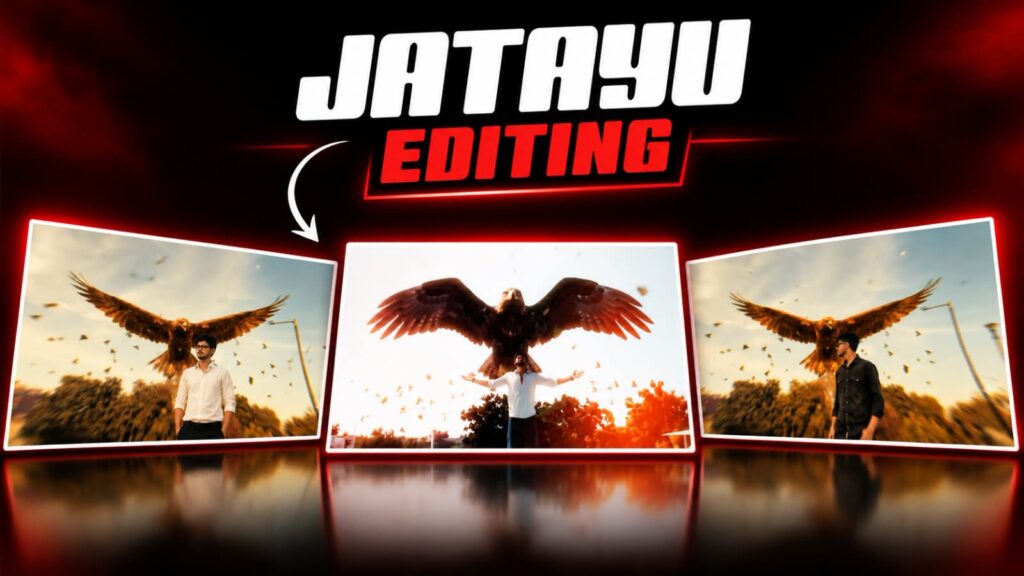
Getting good at editing has almost nothing to do with software. It’s not about the effects, the transition packs, or the latest trend. If you believe that, you’re going to waste years. I know that because that’s exactly what I did when I started editing. I had zero clue how this industry actually works. Six years later, I’m running a $20,000 a month editing agency and we work with some of the biggest clients in the world. There’s a gap between what new editors think works and what the industry actually wants. Editing is problem solving. It’s not about learning a software, and most editors are stuck in the same cycle doing the same thing over and over again. You can know every single tool in Premiere, After Effects, DaVinci, or software of your choice and still make something that feels flat because every cut that you make is a decision, and nobody actually teaches you how to make decisions. So today I’m breaking down how editors actually get good. I have worked as a full-time editor for 5 years and now I work with a lot of editors. At this point I have hired them, trained them, and right now I run a team of 13 editors and the pattern is almost the same. They know a lot, they freeze when there’s an actual problem in front of them. So how do you take being good at Premiere or After Effects and turn it into a presentable output? Where do you put your cuts so the viewer actually feels something? And why do you have zero ideas the moment you open a software even though you know every tool in it? Most people are collecting knowledge, but knowledge and skills are completely different things. The problem is that a lot of you follow tutorials, but a tutorial usually hands you a problem that’s already been solved. You follow the steps and make something and it feels like you learned something new, but real projects are not like that. In real projects, the footage is shaky, the audio is bad, and the client wants something they can’t explain, plus the delivery is tomorrow morning. There’s no tutorial for that, and most people go blank when they face something like this. So here are seven things that you can do to change your perspective and your career trajectory as an editor.
First, you’re learning in the wrong order. Most editors think they need to learn everything before doing real work: learn Premiere properly, then After Effects, then color, then sound, and then start taking projects. That sounds very logical, but that’s the slowest path. I personally started working with clients when I barely knew Premiere Pro because you learn on the go and you keep stacking skills on the way. Editing is not about understanding everything first. It’s about recognizing the same problem again and again until you stop having to think about it, and that only comes from reps. The more reps you put in, the better you get. And if you want to get faster, pick one format, then edit that same format 10 times and try to improve one thing each time. I’m not talking about following 10 different tutorials here—the same 30 to 60 seconds 10 times over until you can do it without opening any tutorial. The 10th will look nothing like the first one and you’ll have learned more than a month of watching.
Third, you are overediting and not improving. This one is everywhere right now and it genuinely frustrates me, and I’ve heard the same from a lot of clients. A lot of editors think more effects means a better edit, but the client will look at something like that and just assume that you used a CapCut template. You drop a clip on the timeline and it feels a little boring, so you add a transition. It still feels a little off, so you add a sound effect, then a zoom, then some more effects. And if someone asks you why you added any of that, you would not
Sixth, identifying scope before a project starts. Now this is for beginner to intermediate editors who are just getting started with paid projects, and this is the one I wish someone had told me when I started. I’ve lost money, time, and honestly my sanity on projects that just never end. I’ve had projects drag on—which were supposed to be done in a couple of days—for 3 to 4 months, and every single time it was because I never set a clear scope. Because when nobody defines it, the revisions stack up: two becomes five, five becomes 11, and none of them are really the client’s fault. It starts with small changes, but then they keep changing their mind. There are multiple people involved in some projects, and it all happens because nobody told them there was a limit. The deadline slips, you’re working the weekend, and the project you quoted for one day ends up taking a week. And here’s the part that actually personally hurt me: you still deliver, they leave you a good review, and you made almost nothing per hour for the extra time, so it doesn’t even feel like a failure. That’s why editors keep repeating it for years. Here’s how to fix it: before you start, put three things in writing—what exactly you’re delivering, how many revision rounds are included, and the deadline. Then create the pricing around it, and once it’s agreed, put it in writing and don’t renegotiate with yourself halfway through. Because anyone can write up a scope; holding it when the client asks for one additional change is the actual hard part. And it doesn’t mean that you’re being difficult. When something falls outside the scope, you just tell them it’s outside what you agreed and here’s what the additional cost will look like. And from my experience, most clients are completely fine with paying extra. Scope creep is the biggest thing killing freelance editors’ income, and it has nothing to do with how good you are at editing.
Seventh, stop starting from scratch. Most editors start a brand new project and build everything from zero, and they do it because somewhere along the way they picked up that reusing your own work is cheating. And it actually isn’t. Reusing your own work is completely fine and is the single biggest speed unlock when you’re working on high-volume projects. Use your old projects, your own sequences, pull from all of it. Nobody is going to notice it because the footage is different, the client is different, and the story is different. That’s how I got through thousands of videos that I did on Fiverr, because it’s not actually possible to do thousands of videos where I build everything again from scratch. So every time you make a graphic you like, you save it as a reusable template. Every time you land on a project setup that works, save it as a template. Every time you build a sound design stack that sounds good, keep it. Your speed actually comes from the fact that you have solved this exact problem before and you kept the solution. That’s what people are actually seeing when they call someone a fast editor: they are not faster with the software, they are just not starting from zero.
And eighth—and the most important one, but it also is very boring—routine is what makes you consistent, but this is the one that decides if you are really good or not. You have to edit every single day because editing is muscle memory: shortcuts, timeline navigation, knowing where to cut without thinking about it. None of that comes from understanding; it comes from your hands doing it so many times that you just stop thinking about it and do it. As I said, editing is about recognizing the same problem until you stop thinking about it. And since you stayed till here, here’s a bonus tip for you: throw the phone outside the room when you’re editing. Scrolling wastes a lot of time while giving you the false idea that you’re making progress. You’ll know you have finally become a good editor when someone comes and tells you that they can’t stop watching your videos, but they can’t tell why. Here’s my client project playlist where I apply all of this—or I try to. Don’t forget to subscribe.